
E-Commerce
E-commerce basics for beginners
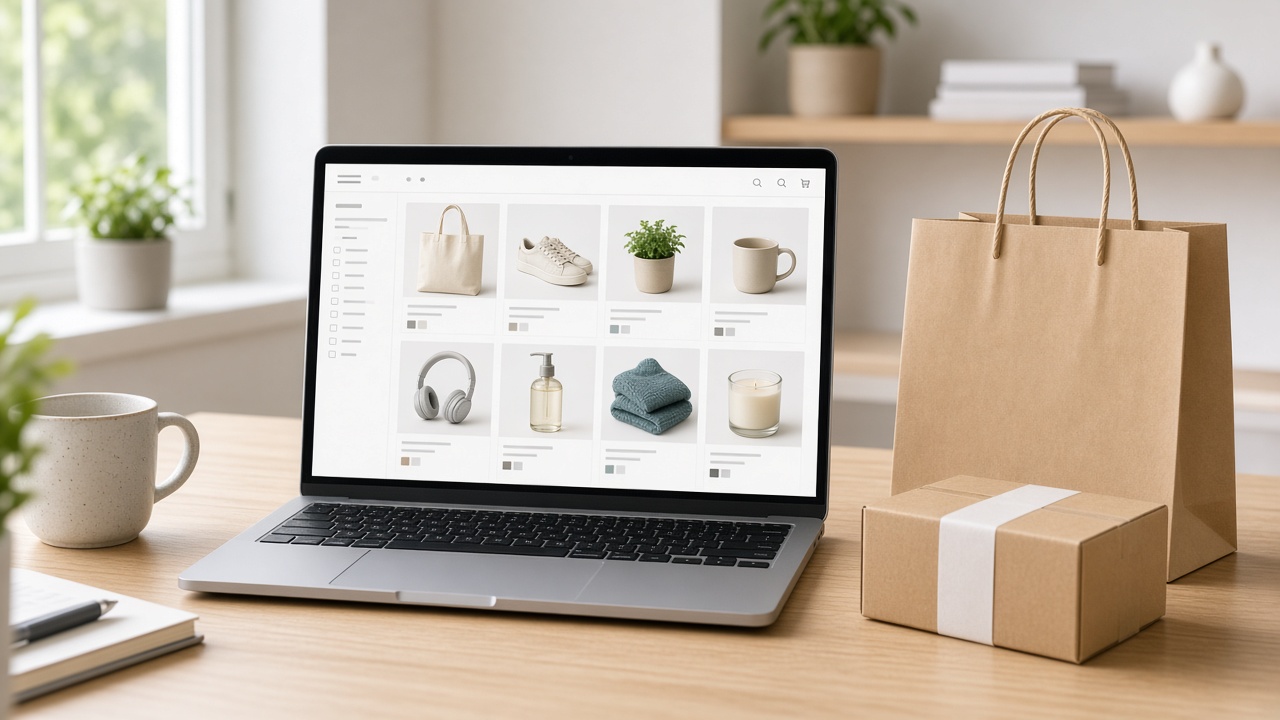
E-commerce is selling a product or service online. The storefront might be your own website, a marketplace such as Amazon, a social shop, or a mix of channels. The software changes. The business still needs the same four pieces: something to sell, a customer who wants it, a way to take payment, and a way to deliver what was promised.
This guide explains those pieces in plain language. It is educational content for beginners. It is not a promise of sales, income, or marketplace approval. Rules, fees, and policies change by platform and country, so confirm details inside the tools you actually use.
If you are still deciding whether selling online is the right first move, pair this page with how to think about starting an online business. That article focuses on planning. This one focuses on how an online sale works once you have a direction.
What ecommerce really includes
Ecommerce is not only a website theme. It is the full path from interest to delivery. A customer discovers the offer, decides to buy, pays, receives the product or service, and may return it or ask a question. Every model — marketplace, independent store, dropshipping, digital products — still walks that path.
That is why comparing “which platform is best” is less useful than asking whether you can complete the path for one clear offer. A beautiful store with no traffic, or a marketplace listing with no margin after fees, is not a finished business. Start by understanding the path, then choose tools that support it.
The four pieces of every online sale
The offer
The offer is what the customer receives and what they pay. A clear offer names the product or service, the price, what is included, and what happens after checkout. Vague listings create returns, chargebacks, and bad reviews because the buyer and the seller imagined different outcomes.
Write the offer as if a stranger will read it once. Include size, quantity, materials, digital access length, or service scope when those details matter. If you cannot describe the delivery in one short paragraph, the offer is not ready to advertise.
The customer
Someone has to be able to find the product and decide it solves a real need. On a marketplace, that often means search keywords, listing quality, and competition. On your own site, it often means ads, content, email, or an audience you already have. “I will list it and see” is not a customer plan.
A useful beginner test is to name one person who would buy, one reason they would choose you over a cheaper option, and one place they already look for solutions. If those three answers are empty, spending on inventory or ads is early.
Payment
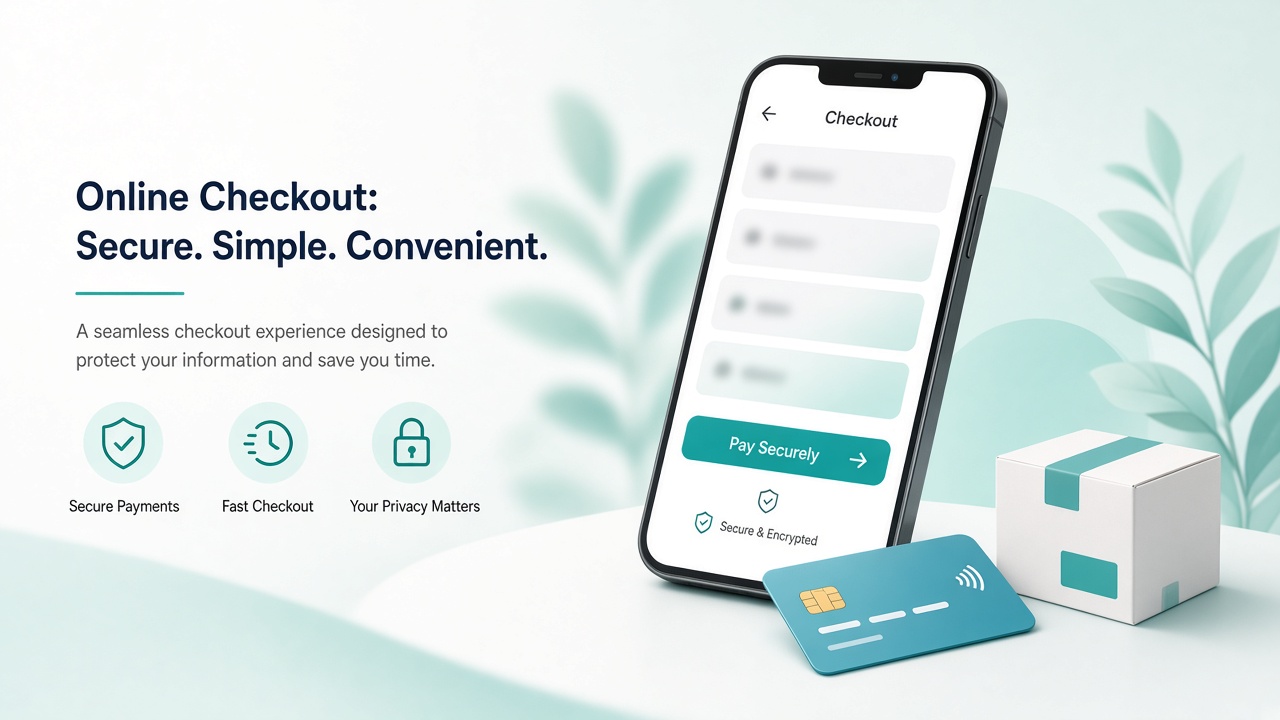
The customer needs a checkout they trust. Marketplaces usually provide one and settle payouts on their schedule. Your own store needs a payment provider, clear order confirmation, and an understanding of when money is paid out and when it can be held after a dispute.
Payment is not only “accept cards.” It includes refunds, failed payments, currency issues, and fraud checks. Before you launch, know who handles chargebacks and what evidence you must keep for each order.
Delivery
Someone has to get the product or service to the customer. That person might be you, a warehouse, Amazon, a supplier who ships after the order, or a system that unlocks a digital file. Delivery is part of the promise, not an afterthought.
Late shipping, wrong items, and unclear tracking create support work that can erase thin margins. Treat delivery speed and accuracy as part of the product, not as a separate “operations problem” you will fix later.
Where beginners usually sell
There is no single correct channel. Each option moves work and risk to a different place.
- Your own website. You control branding, pricing pages, and customer data. You also own traffic, payment setup, shipping rules, and support.
- Marketplaces. You borrow existing shoppers and checkout trust. In return you follow platform rules, pay fees, and compete inside their search systems.
- Social or messaging sales. Conversations can create early orders with little setup. Scaling usually needs clearer catalogs, payments, and delivery processes.
- A mix. Some sellers test demand on one channel and expand later. Mixing too early often splits attention before any channel works well.
Choose the channel that matches how your customer already buys, not the channel that looks most modern in a screenshot. For a deeper look at one marketplace fulfillment model, read what Amazon FBA means for a new seller. To see how learning topics are grouped on this site, browse collections.
Common ways to fulfill an order
You hold the stock
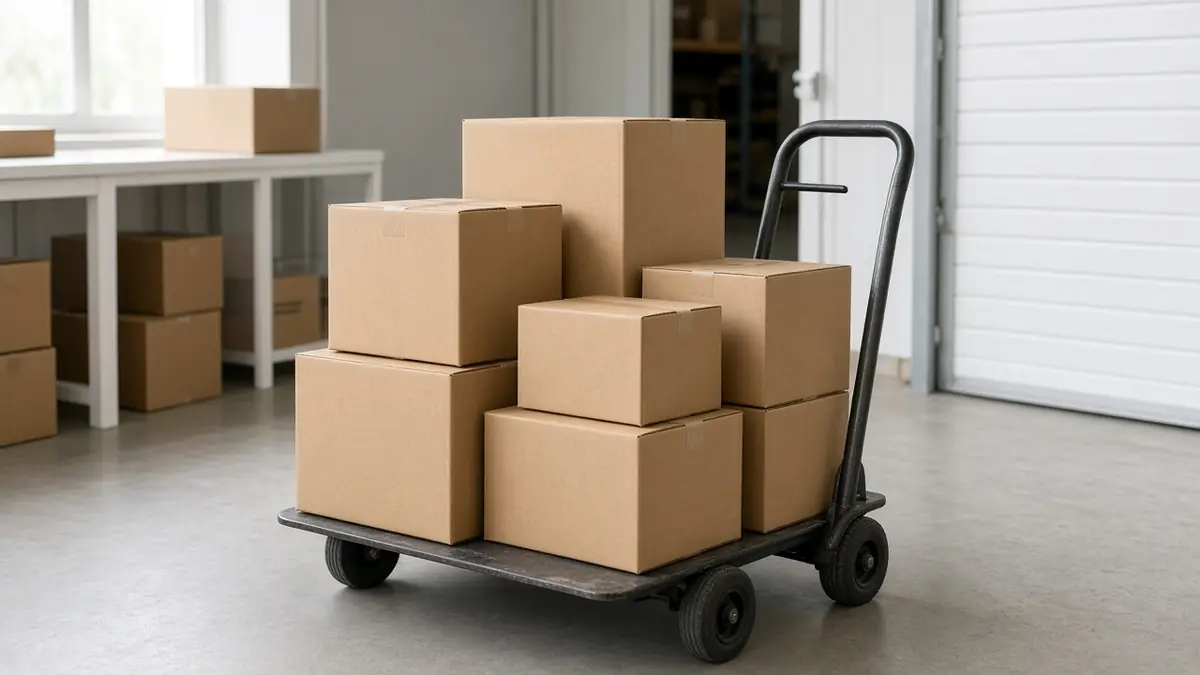
You buy inventory, store it, and ship it. You control quality checks and packing. You also pay for goods before they sell, so cash sits in boxes until orders arrive. This model rewards careful forecasting and honest packaging.
A marketplace warehouse holds the stock
Amazon FBA is the best-known version of this. You still choose the product, buy the inventory, and manage the listing. The warehouse handles storage and outbound shipping for eligible units. Fees, inbound shipping rules, and storage policies become part of your unit economics.
A supplier ships after the order
Dropshipping works this way. You avoid storing boxes at home, and you depend on the supplier’s speed, packing quality, and stock accuracy. Your brand reputation still carries the customer complaint when a parcel is late or wrong.
You sell a digital product or a service
There is no physical parcel, but you still have to deliver what you described: access, files, coaching sessions, or completed work. Delivery here means clarity of scope, timelines, and support. Overpromising creates the same refund risk as a damaged package.
None of these fulfillment methods is automatically easier. Each one moves risk to a different place: cash tied up in inventory, marketplace fees, supplier mistakes, or your own time.
Sourcing is a different decision
Private label and wholesale describe whose brand is on the product, not who drives the delivery van. You can private-label an item and still ship it yourself, or buy wholesale goods and send them to a marketplace warehouse. Compare those sourcing models in private label vs wholesale. If the warehouse in question is Amazon, the starting sequence is how to start Amazon FBA in the USA.
Payments, fees, and simple unit math
Before you spend on ads or stock, write a simple per-order estimate. Include product cost, shipping or fulfillment, payment or marketplace fees, packaging, expected returns, and a small reserve for mistakes. If the price only works when every step is perfect, the offer is fragile.
On your own store, payment providers may take a percentage plus a fixed fee per successful charge. On marketplaces, referral and fulfillment fees can stack. Exact rates change, so use the provider’s current calculator or fee preview rather than a blog table.

Also separate revenue from cash in hand. An order can show as a sale while payouts are delayed, held for review, or later reversed after a return. Beginners who spend every “sale” immediately often hit a shortfall when refunds arrive.
A practical habit is to keep a one-page cost sheet for each offer. Update it whenever fees, freight, or packaging change. The sheet will not predict the future, but it will stop you from launching an offer that only works on a perfect week.
A short example of a clear first offer
Imagine you sell a simple home organizing kit on your own site. The offer might read: one set of labeled bins, two sizes, shipped within three business days to addresses in one country, with a fourteen-day return window for unused items. The customer is a renter who wants a low-cost closet reset. Payment goes through your store checkout. Delivery is your packed inventory or a fulfillment partner.
That example is still a business with costs and risks. It is clearer than “I sell organizers online” because the buyer knows what arrives, when, and what happens if they change their mind. Clarity reduces support tickets and refunds even when the product is ordinary.
You can use the same clarity test for marketplace listings and digital offers. If a friend cannot repeat what the customer gets after hearing the offer once, rewrite it before you spend on traffic.
Customer support is part of ecommerce
Support is not a separate department for most beginners. It is answering “Where is my order?”, fixing wrong addresses, explaining returns, and handling damaged items. Slow or unclear support turns a solvable issue into a chargeback or a public complaint.
Before launch, decide where customers contact you, how quickly you will reply on business days, and what evidence you need for refunds. Save templates for common replies, but customize them when the situation is unusual. Good support protects margin as much as good packaging does.
Common beginner mistakes
- Starting with tools instead of an offer. Domains, themes, and apps do not create demand. A specific product for a specific buyer does.
- Copying another store’s claims. If you cannot stand behind materials, results, or shipping times, do not publish them.
- Ignoring landed cost. Factory price, freight, duties, labels, and packaging all belong in the cost, not only the supplier quote.
- Launching ads before checkout and delivery work. Paid traffic to a broken order path wastes money and trust.
- Treating dropshipping quality as someone else’s problem. The customer bought from you. Your review page owns the outcome.
- Scaling inventory before a small test. A first batch should teach return rates and real demand with limited cash at risk.
- Confusing activity with progress. New accounts and new apps feel productive. Completed test orders teach more.
Practical tips before you spend
- Write one sentence for the customer, one for how they find you, and one for how the order is fulfilled.
- List every cost that happens between “order placed” and “customer received.”
- Place a test order yourself, or ask a friend to, and note every confusing step.
- Decide refund and return rules in writing before the first sale.
- Keep product photos and descriptions matched to what actually ships.
- Separate learning budget from launch budget. Reading and course lessons are cheaper than unused stock.
- Choose one primary channel for the first offer so your attention stays focused.
When you want a taught path that covers Amazon FBA, dropshipping, and related online business topics in one enrollment, review the Shahid Anwar Course.

What to decide before you launch
Pause if any of these answers is still “I will figure it out later”: who the buyer is, what exactly they receive, how payment settles, and who ships or delivers. Later is often when a supplier invoice or an ad bill is already due.
Also decide what “good enough to start” means for your first week: a working checkout, accurate shipping estimates, a support email you will answer, and a fulfillment method you can manage without a team. Looking polished matters less than keeping promises.
Write those decisions somewhere you will see them when a new tool or trend tries to pull you off course. Ecommerce rewards people who finish a small, honest loop from listing to delivery more often than people who redesign the store forever.
Frequently asked questions
Do I need my own website to start ecommerce?
No. Many beginners start on a marketplace or with a simple social checkout. A website can help later with branding and control, but it is not the first requirement for an online sale.
Is dropshipping easier than holding inventory?
It removes storage work, but it adds supplier risk. Speed, packaging quality, and stock accuracy sit outside your direct control, while customer complaints still come to you.
What is the difference between ecommerce and an online business?
Ecommerce usually means selling products or services through online checkout and delivery. An online business can also include services, memberships, or education that are not classic retail stores. See starting an online business for the planning view.
How do marketplace fees affect beginners?
Fees reduce the amount left after a sale. Build a simple unit estimate with fees included before you buy stock or run ads. Use the platform’s current fee tools for exact numbers.
Where should I learn fulfillment models like Amazon FBA?
Start with what Amazon FBA means for a new seller, then review the broader curriculum on the courses page if you want structured lessons.
Should I run ads before my first order?
Only after checkout and delivery work in a test. Ads amplify whatever you already have, including broken pages and slow shipping.
Conclusion
E-commerce looks like websites and apps from the outside. Underneath, it is an offer, a customer path, a trusted payment flow, and a delivery promise you can keep. Channel choice and fulfillment method matter, but they do not replace those four pieces.
Keep your first version small, measure real costs, answer support promptly, and fix checkout and delivery before you spend heavily on traffic. That approach will not remove risk, and it will not guarantee results, but it gives beginners a clearer way to learn without confusing tools for a business.